Nobody's Reading Your Feed Anymore — and Your Group Chat Is Why
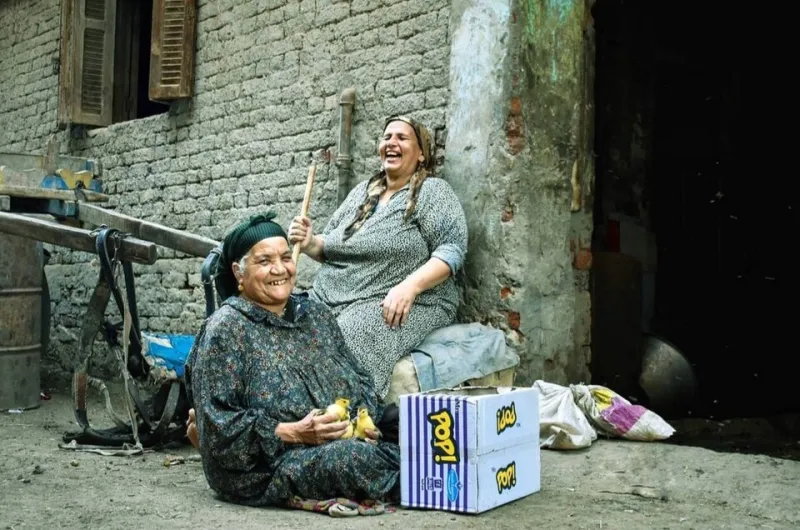
Photo: Ahmed Mo Abd Elaaty, CC BY-SA 4.0, via Wikimedia Commons
Here's a number that should keep you up at night: the majority of your followers will never see a single thing you post. Not because you're bad at this. Because the feed, as a technology, is dying of loneliness.
Public social media used to feel like a town square. Now it feels like performing stand-up in an empty theater with the door locked. You post into the void, the algorithm decides whether anyone cares, and even your most loyal fans scroll past you on the way to something engineered to be more interesting than your life. The reach era is over. Most creators just haven't admitted it yet.
The Feed Became a Stage, So Everyone Left the Audience
Something subtle happened over the last few years. As everyone got savvier about personal branding, public posting stopped being communication and became performance. Every caption is a press release. Every story is a highlight reel. Every reply is a networking opportunity.
And audiences can feel it. Nobody wants to be an audience member anymore — they want to be a participant. That's why the most vibrant corners of the internet right now aren't feeds at all. They're rooms. Group chats, private Discords, close-friends stories, paid communities, newsletters that get actual replies.
The group chat has become the most honest place on the internet precisely because nobody's performing for a stranger there. It's where people say what they actually think, share what they actually like, and — this is the part that matters to you — buy what they actually want.
Small and Devoted Beats Big and Indifferent. Every Time.
The American creator economy has spent a decade worshipping follower counts, and it's produced a lot of broke people with big numbers. Meanwhile, look at who's actually thriving: the newsletter writer with 8,000 subscribers who converts like crazy. The Discord server of 400 people that sells out every drop. The podcaster whose listeners feel like friends and buy whatever she mentions.
The math is brutal and simple. A million indifferent followers are worth less than a thousand people who'd notice if you disappeared. Reach is rented from an algorithm. Intimacy is owned.
Intimacy also compounds in ways reach never does. A person who replies to your newsletter once is exponentially more likely to buy from you, recommend you, and defend you than someone who liked a Reel once. Small rooms produce superfans. Feeds produce impressions.
How to Build Your Room
If you're convinced, here's the practical version:
Pick one owned channel and treat it like the main thing. A newsletter or a membership — something where the relationship doesn't depend on a platform's mood. The public feed becomes the billboard; the room becomes the business.
Lower the headcount, raise the stakes. Don't build a community for everyone. Build one for the people who actually care. A $5/month membership with 300 true believers will outperform a free Discord with 30,000 lurkers in both revenue and sanity.
Talk with, not at. Answer replies. Use people's names. Ask real questions and act on the answers. The entire value of a small room is that it's a two-way street; the moment you broadcast into it, you've rebuilt the feed.
Give the room things the feed can't have. Early access, honest opinions, behind-the-scenes mess, the takes too spicy or too nuanced for public consumption. Exclusivity isn't about gatekeeping — it's about giving people a reason the room exists.
The Future Is Smaller Than You Think
There's a particular kind of creator anxiety that comes from watching the feed get quieter and assuming it means you're failing. It doesn't. It means the medium is changing, and the people paying attention are already moving.
The next era of the creator economy won't belong to whoever shouts loudest into the square. It'll belong to whoever builds the room everyone else wants an invite to. Start small. Start now. Start with the hundred people who'd already follow you anywhere — and give them somewhere to actually gather.