Who Taught You to Be Yourself? The Manufactured Origins of 'Authentic' Branding
Somewhere between the polished highlight reels of early Instagram and the deliberately messy confessional content that replaced them, a new industry was born. Call it the authenticity industrial complex — a sprawling ecosystem of coaches, courses, content frameworks, and thought leaders all selling you the same product: yourself. Except it's not really yourself. It's a version of yourself that's been focus-grouped, algorithm-tested, and packaged for maximum relatability.
Here's the uncomfortable truth nobody in the personal branding space wants to say out loud: the 'real you' that you've been encouraged to share might be someone else's invention.
The Authenticity Playbook Nobody Admits Exists
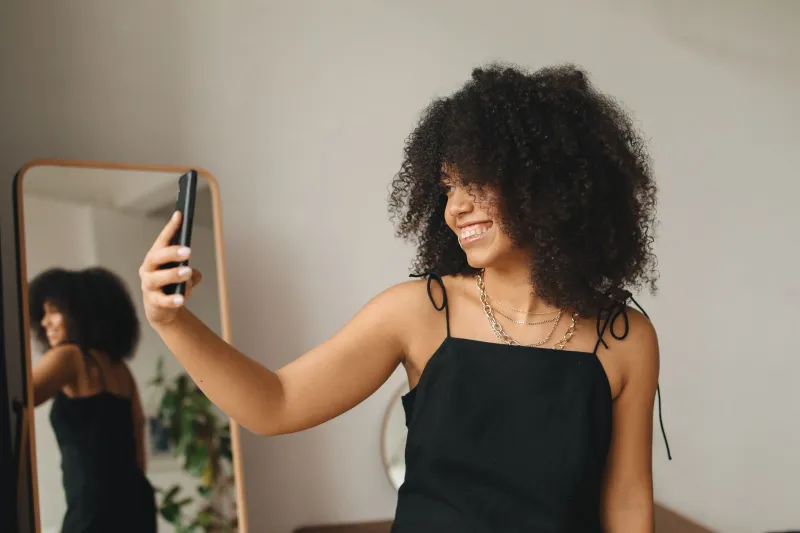
Open TikTok on any given Tuesday and you'll find the same content dressed in different outfits. The 'raw' morning routine filmed in soft light. The 'vulnerable' business failure story with a triumphant third act. The 'no makeup' selfie that took forty-five minutes of strategic lighting to nail. None of this is accidental — it's a genre, and like every genre, it has conventions.
What's fascinating isn't that people perform online. Of course they do. What's fascinating is that the performance of not performing has become the dominant mode. Authenticity has been reverse-engineered into a formula, and that formula gets passed down through every masterclass, every 'build your brand' bootcamp, every viral thread about what's 'actually working' right now.
The result? An entire generation of personal brands that look emotionally open but feel strangely identical. Different faces, same cadence. Different niches, same vulnerability arc. The content feels real because it follows the emotional logic of realness — but the script was written by the culture, not by you.
Algorithmic Authenticity Is Still an Algorithm
Let's talk about how platforms shape this. Instagram rewards certain emotional registers. LinkedIn has its own flavor of manufactured earnestness — the 'I almost quit, but then...' post that gets 10,000 likes because it hits the exact notes the algorithm has learned to surface. YouTube favors a particular kind of confessional pacing. Every platform trains its creators, whether they realize it or not.
This isn't a conspiracy. It's just incentive structures doing what incentive structures do. But when your 'authentic self' is consistently rewarded for presenting in one specific way, you start to unconsciously edit your actual self to match. You amplify the parts that perform. You quietly retire the parts that don't. Over time, the gap between who you are and who your audience knows can become surprisingly wide — even when every post feels deeply personal.
That's the paradox at the heart of algorithmic authenticity: the more you optimize your realness, the less real it becomes.
How to Tell What's Actually Yours
This isn't an argument for abandoning personal branding or retreating into some kind of offline purity. It's an argument for doing a periodic audit — a kind of creative archaeology where you dig through the layers and figure out what's genuinely native to you versus what you absorbed from the ecosystem.
Here's a framework worth trying:
The Origin Test. Pick three things you consistently talk about in your content. For each one, ask: did I care about this before I started building a brand, or did I start caring about it because it resonated with an audience? Neither answer is automatically wrong, but knowing the difference matters.
The Discomfort Check. Authentic content often involves a low-grade anxiety — not the performed vulnerability of a carefully crafted story, but the genuine unease of sharing something that doesn't have a tidy resolution. If every piece of 'real' content you share feels safe by the time you post it, you might be curating more than you think.
The Trend Audit. Look at your last thirty pieces of content. How many were directly inspired by something you saw another creator do first? Borrowing and remixing is normal and healthy. But if the majority of your 'authentic' moments are actually responses to cultural trends in the personal branding space, that's worth sitting with.
The Private Conversation Test. How different are you in a one-on-one conversation versus in your content? A gap is normal — everyone code-switches. A chasm suggests your public persona has drifted pretty far from your actual center of gravity.
Reclaiming the Real Without Performing It
The goal isn't to achieve some mythological state of pure, unmediated selfhood. That doesn't exist, and chasing it is its own kind of performance. Every self-presentation involves selection and emphasis — that's just communication.
The goal is something more modest and more useful: building a brand that's genuinely rooted in something that belongs to you, even if the expression of it gets shaped by context and audience and platform. There's a difference between adapting your voice for a medium and letting a medium replace your voice entirely.
The creators who feel most distinct — the ones whose work you can identify before you even see their name — aren't necessarily the most 'authentic' in the confessional sense. They're the ones who've done the harder work of actually knowing what they think, what they care about, and what they find interesting, independent of what the algorithm is rewarding this month.
That's a slower build. It's less immediately viral. But it tends to be a lot more durable — because it's not built on a persona someone else designed for you to inhabit.
So the next time someone tells you to 'just be yourself' online, maybe the more useful question is: which self? And more importantly — who taught you that's who you are?